


Sushi is more than just food—it’s an art form, a balance of flavour, texture, and presentation. Whether you’re a home-chef wanting to explore or a restaurant concept owner looking to refine your offering, this guide will walk you through the essentials of creating sushi with intention and style.
1. The Core Ingredients
At the heart of sushi are a few well-chosen components:
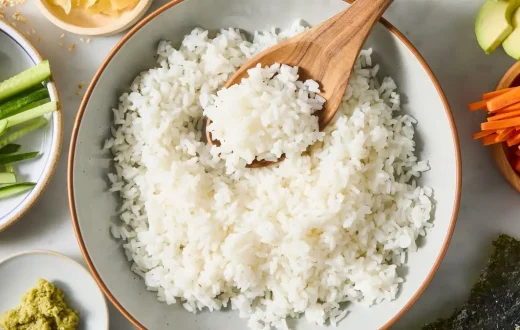
- Rice – The base of all sushi. Use short-grain Japanese rice, rinse it well, cook it to just the right consistency, and season it with a blend of rice vinegar, sugar and salt.
- Seafood / Fillings – Think fresh fish (salmon, tuna), cooked prawns, crab, or vegetarian options like avocado and cucumber. Freshness is key—especially when working with raw fish.
- Nori (seaweed sheet) – Often used to wrap maki rolls; gives flavour and structure.
- Condiments & Flavours – Wasabi, pickled ginger (gari), soy sauce. These provide contrast and seasoning.
- Accents – Sesame seeds, roe (eg. salmon roe), micro-greens, fine slices of vegetables, and creative sauces (eel sauce, spicy mayonnaise) elevate the dish.
2. Tools & Setup
To create sushi with finesse:
- A sharp knife (ideally Japanese-style) to cleanly slice fish and roll without tearing the nori.
- A bamboo mat (makisu) for making maki rolls neatly and tightly.
- A rice paddle (shamoji) and a bowl of water to prevent sticking when handling rice.
- Clean workspace and surfaces. Work fast when dealing with raw fish and keep everything hygienic.
- Small bowls of water at your station help keep your fingers and tools from sticking to rice.
3. Basic Techniques
a) Preparing the rice: Rinse until water runs clear. Cook with the right water-rice ratio. Once done, transfer to a wide bowl, season with vinegar mixture, and fan the rice while mixing gently—this cools it and gives the right shine and texture.
b) Slicing fish or fillings: For sashimi-style pieces, slice fish at an angle about 1 cm thick (depending on fish). For rolls, cut longer thin strips so they lie evenly in the roll.
c) Making nigiri: Wet your hands, take a small ball of rice (≈ 20-25 g), gently press to form an oblong. Place a slice of fish on top, and optionally brush a little soy-based glaze.
d) Rolling maki: Place nori sheet shiny-side down on your bamboo mat. Spread rice leaving a 1 cm border at the top. Add your filling strips horizontally. Use the mat to roll tightly, pressing gently but firmly. Seal the roll by moistening the exposed edge of the nori and finishing the roll. Slice into 6–8 pieces with a sharp wet knife.
4. Creative Variations & Presentation
- Inside-out rolls (uramaki): Rice on the outside, nori inside. Sprinkle sesame seeds or fish roe on the outside for texture.
- Temaki (hand rolls): Cone-shaped nori filled with rice & fillings—fun for casual gatherings.
- Vegetarian / vegan options: Use marinated tofu, roasted sweet potato, avocado, pickled vegetables, and replace fish with smoked or seasoned alternatives.
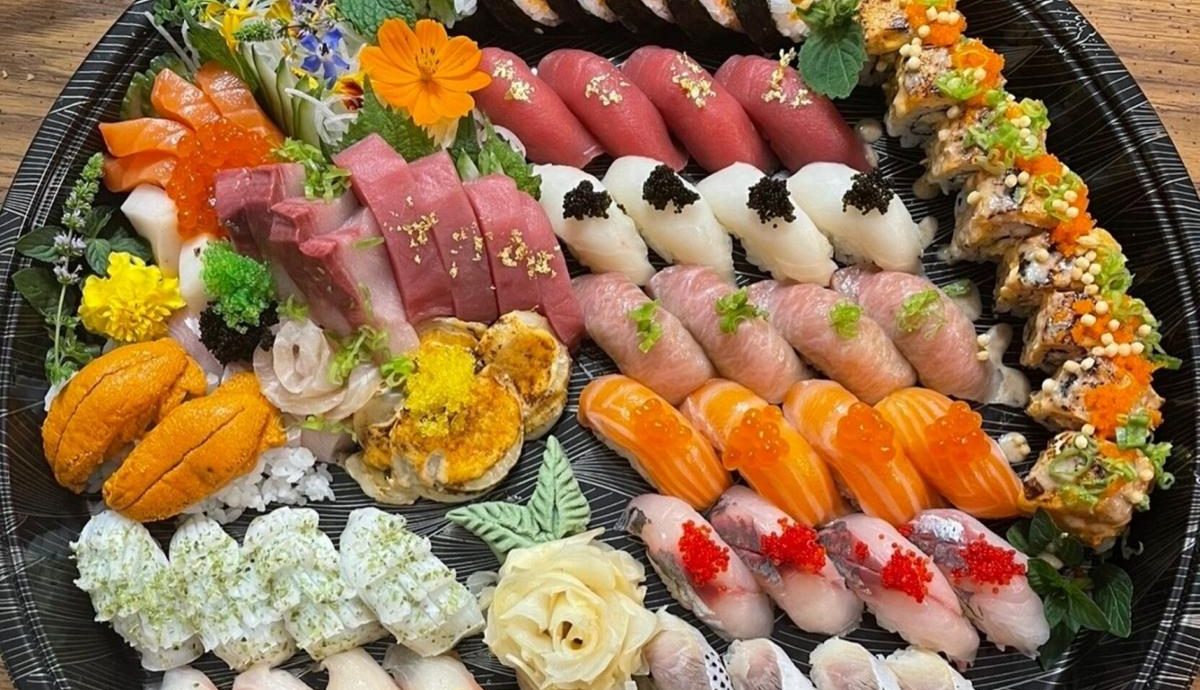
- Plating & garnish: Use slate boards or simple white plates. On the side, place pickled ginger, a dab of wasabi, and a small dish of soy sauce. Garnish rolls with micro-greens, edible flowers, or fine slices of chili for colour.
- Sauce artistry: Use squeeze bottles to draw zigzags of eel sauce or spicy mayo across the plate or rolls—gives a modern bistro feel.
5. Tips for Quality & Safety
- Always buy sushi-grade fish if using raw seafood, and keep it cold until serving.
- Work quickly but cleanly: raw ingredients should not sit out for long.
- Keep your rice at body temperature—not steaming hot, not cold—so it binds well with the fish and melts properly in the mouth.
- Use a wet knife when slicing rolls to get clean cuts without squashing.
- Serve freshly made sushi immediately for best texture and flavour.
6. Why Sushi Matters in Branding & Dining
From a business standpoint (which I know you’re considering as you plan your shoe brand and other ventures!), sushi is not just food—it’s experience.
- The visual appeal: colourful, neat, artistic.
- The freshness factor: signals quality and care.
- The cultural story: you can tie authenticity, wellness, premium quality into your brand message.
- The social-media friendly style: beautiful sushi plates are shareable, which helps word-of-mouth and visuals for your marketing.
7. Linking to Your Broader Platform
If we look at a platform like Fujiyajk Mart (which specialises in Japanese/Korean/Asian ingredients) you can see how access to premium imports makes sushi creation more feasible. Their emphasis on “fresh, fast & affordable” Asian essentials helps gather the right raw materials for sushi-making.
fujiyajkmart.com
If you’re planning a blog post on your site, you could link out to such specialised ingredient sources (or local equivalents) to build credibility and provide value to your readers.
8. Final Thoughts
Creating sushi is a rewarding activity. It blends technical skill (rice preparation, slicing precision), culinary artistry (combining flavour, texture, colour), and presentation. Whether you’re making a modest home set-up or preparing for a commercial venture, paying attention to every detail—from rice grain to garnish—makes all the difference.
So roll up your sleeves, get your mat, choose your fillings, and let your creativity shine on the plate. Your audience (or your guests) will feel the care—and that’s what turns food into experience.